Our curriculum emphasizes core Islamic beliefs, moral values, and principles of Tawheed, Adl, Nabuwwat, and Qiyamat to nurture spiritual growth.

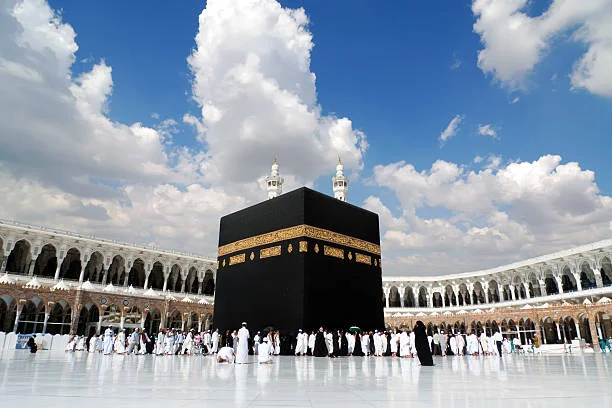
Tawheed is the radiant light that removes the darkness of the heart and fills life with faith, peace, and strength. It is the firm belief that Allah alone is the Creator, Sustainer, and Master of the universe—unique, eternal, and without partner. Tawheed frees a person from false dependencies and teaches sincere submission to the One true Lord. In this oneness lies true honor, inner stability, and everlasting success in this world and the hereafter..

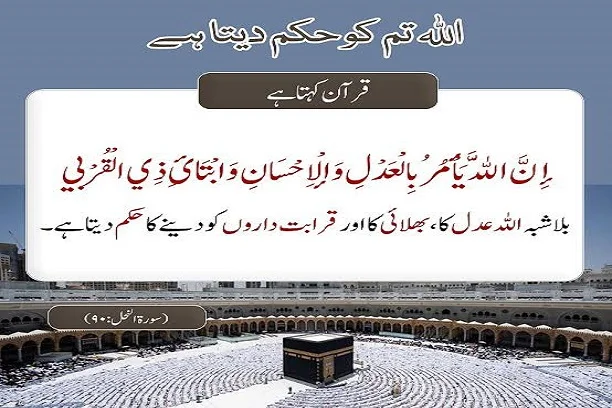
Divine Justice (Adl al-Ilahi) is a fundamental belief in Islam, affirming that Allah is perfectly just in all His actions and decisions. He does not ظلم anyone, nor does He act without wisdom or purpose. Every command, reward, and punishment is based on absolute fairness and complete knowledge. Human beings are granted free will, and they are accountable for their choices. Allah’s justice ensures that good deeds are rewarded and ظلم is never left unanswered. Even when events seem difficult, believers trust that divine wisdom and justice prevail. Ultimately, on the Day of Judgment, perfect justice will be fully manifested..

Prophethood (Nubuwwah) is a central belief in Islam through which Allah guides humanity toward truth and righteousness. Prophets are chosen by Allah to convey His message, teach moral values, and establish justice in society. They are known for their honesty, integrity, and exemplary character. From Prophet Adam to Muhammad (peace be upon them), all prophets دعوت people to the worship of one God and a life of obedience and compassion. Muslims believe that Prophet Muhammad (peace be upon him) is the final prophet, and his message, the Qur’an, is the complete and universal guidance for all mankind..

Imamat is the belief in divinely appointed leadership after the Prophet. According to this view, God does not leave the Muslim community without guidance, so He appoints a leader who possesses deep knowledge, justice, and moral purity. The Imam is responsible for protecting the true teachings of Islam, explaining the Qur’an correctly, and guiding people in religious and social matters. This leadership is considered a continuation of the prophetic mission in terms of guidance, though not prophecy itself. Obedience to the Imam is seen as essential for maintaining unity, preserving authentic teachings, and ensuring that the community follows the right path in both spiritual and practical life.

The Day of Judgment (Qiyamah) is a core belief in Islam, affirming that all human beings will be resurrected and held accountable for their deeds. On that Day, justice will be perfectly established, and every action—small or great—will be brought forth. Allah, in His absolute wisdom and fairness, will reward the righteous and judge those who acted unjustly. No ظلم or good deed will remain unnoticed. Qiyamah reminds believers of responsibility, moral discipline, and the temporary nature of this world. It strengthens faith, encourages righteousness, and gives hope that ultimate justice and eternal life await beyond this worldly existence..